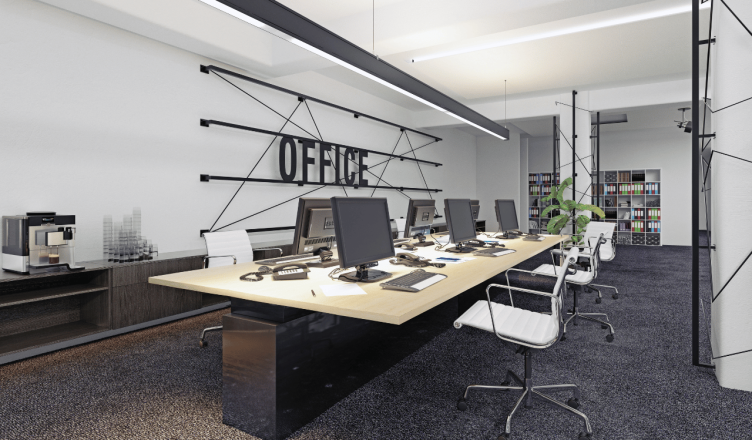
The office environment will continue to evolve rapidly in 2025, driven by changes in work culture, sustainability goals, and technology integration. While many may overlook it, office carpeting plays an important role in shaping workplace functionality, comfort, and aesthetics. Today’s top office carpet suppliers are adapting to new demands with innovative materials, modular designs, and smart features tailored to hybrid offices, wellness-focused spaces, and eco-conscious companies.
In this article, we explore the latest trends office carpet suppliers are offering in 2025, providing insight into what businesses, interior designers, and facility managers can expect when selecting flooring solutions for the modern workspace.
1. Sustainable and Recyclable Carpet Materials
In 2025, sustainability is no longer a niche demand—it’s a standard. Office carpet suppliers are increasingly offering solutions that are:
- Made from recycled fibers such as PET bottles or fishing nets
- Cradle-to-cradle certified for full material recovery
- Low-VOC (Volatile Organic Compounds) to support indoor air quality
- Compliant with LEED, WELL, and Green Building Index (GBI) standards
Bio-based carpets made from materials such as corn or wool blends are also gaining popularity. Suppliers now prominently feature their environmental credentials, with some even offering take-back recycling programs for used tiles.
Trend Insight: Buyers in Malaysia, Singapore, and Australia are prioritizing green certifications to meet local building codes and ESG policies.
2. Modular Carpet Tiles with Custom Patterns
Modular carpet tiles remain a top choice due to their flexibility in terms of layout, ease of installation, and replacement. In 2025, suppliers are pushing the boundaries of tile design with:
- Asymmetrical tile shapes (hexagons, planks, triangles)
- Gradient and ombré effects
- Mix-and-match patterns that allow dynamic, zone-specific visuals
- Anti-fray and seamless jointing technology
These carpets enable designers to zone out open-plan offices without using walls, making it easier to delineate breakout spaces, collaboration areas, and quiet zones—all while maintaining visual cohesion.
Supplier Tip: Some brands now offer design software tools that allow clients to preview floor plans with different carpet patterns and layouts.
3. Acoustic and Sound-Absorbing Carpet Solutions
With the popularity of open offices and hybrid meeting zones, noise management is a growing concern. Office carpet suppliers are meeting this challenge with products that:
- Incorporate acoustic backing layers
- Achieve Noise Reduction Coefficient (NRC) ratings above industry minimums
- Use dense pile construction for enhanced sound absorption
- Pair with underlay systems for multi-layer noise control
These carpets help reduce distraction in high-traffic areas and improve audio clarity in video conferencing rooms.
Hot Segment: BPOs, coworking spaces, and law offices are among the biggest adopters of acoustic carpet tiles.

4. Smart Carpets with Embedded Technology
One of the most futuristic trends in 2025 is the rise of smart carpets. Some suppliers are integrating technology into carpets that can:
- Track foot traffic via embedded sensors
- Monitor room occupancy
- Integrate with building management systems (BMS)
- Detect wear and tear in high-usage areas
These carpets provide data for space utilization analytics, energy-saving automation (e.g., turning off lights when no movement is detected), and maintenance scheduling.
Real-World Example: Smart carpet zones in smart offices in Tokyo and Dubai track employee movement trends to optimize space layouts.
5. Wellness-Focused Carpet Designs
Office well-being is a major theme in 2025. Carpet suppliers are contributing to wellness-centric office design with carpets that:
- Feature natural color tones and biophilic patterns
- Mimic textures of nature—like wood grains, stones, or water waves
- Use hypoallergenic materials and antimicrobial treatments
- Offer padded comfort backing for foot and joint support
These carpets not only improve physical comfort but also reduce visual fatigue and promote a calming, productive work environment.
Designer Trend: A neutral palette with earth-inspired hues—such as sand, forest green, terracotta, and sky blue—dominates the 2025 catalog.
6. High-Durability for Flexible Workspaces
In 2025, workspaces must accommodate changing furniture layouts, pop-up desks, and high foot traffic. As a result, office carpet tiles are becoming tougher, yet more adaptable.
Key features now offered:
- High tuft bind strength to prevent unraveling
- Fade-resistant dyes suitable for natural and LED light
- Anti-static treatments for electronics-heavy environments
- Moisture-resistant backing for ground floors and tropical climates
Suppliers invest in R&D to increase durability while maintaining aesthetics, ensuring that carpets remain intact through frequent reconfiguration.
Notable Mention: Malaysia-based carpet tile specialists now offer warranties of up to 15 years for their commercial-grade carpet systems.
7. Easy Maintenance and Anti-Stain Technology
In hybrid offices where cleanliness is paramount, carpet suppliers in 2025 are making maintenance easier than ever. The newest carpet ranges feature:
- Stain-proof coatings that repel coffee, ink, and dirt
- Soil-release treatments for easier vacuuming
- Anti-microbial finishes to prevent mold and bacterial growth
- Bleach-cleanable fibers for healthcare or food & beverage offices
Some suppliers also offer self-cleaning nanotechnology carpets, which are ideal for areas with minimal housekeeping.
Facility Manager Insight: This trend is especially appreciated in coworking spaces, where different users occupy the same workspace every day.

8. Digital Customization and 3D Visualization
Carpet suppliers are going digital. In 2025, many vendors allow clients to:
- Customize color palettes, patterns, or logos
- Upload office floorplans for 3D virtual visualization
- Use AI tools to suggest layout combinations
- Download BIM-compatible files for architectural integration
This makes it easier for architects and interior designers to collaborate with suppliers and clients from the beginning to implement the design.
Software Spotlight: Leading brands now integrate with tools like SketchUp, AutoCAD, and Revit for seamless design coordination.
9. Multi-Use Zoning with Carpets
The modern workplace now includes social hubs, focus rooms, hot desks, and quiet pods—all in one space. Office carpet suppliers are responding with zoned carpet collections, enabling offices to:
- Visually guide staff through different activity zones
- Combine textures (cut pile vs. loop pile) for subtle transitions
- Use color-coding to support branding or wayfinding
- Create feature rugs within carpeted open spaces
This strategy supports more intuitive navigation and a better user experience without needing permanent partitions.
10. Regional Design Influences and Local Sourcing
With global supply chains under pressure, more suppliers are focusing on regional design tastes and local sourcing.
In Southeast Asia, for instance:
- Suppliers are using batik-inspired patterns
- Locally sourced recycled yarns are on the rise
- Preferences lean toward cooling textures and humidity-resistant underlays
Buying locally not only supports economic growth but also reduces lead times and shipping delays.
Green Bonus: Some Malaysian suppliers now offer “locally made” labels to promote low-carbon carpet products.
Conclusion
From smart sensors and modular zoning to sustainable materials and wellness-driven designs, today’s carpet suppliers are offering far more than just floor coverings. They offer adaptable, intelligent, and aesthetic flooring solutions that align with evolving work culture and environmental consciousness.
If you’re planning a new office installation or renovation, working with an up-to-date carpet tile specialist can make a significant difference—not only in look and feel but also in long-term performance, maintenance, and user satisfaction.
As companies strive to create smarter, greener, more human-centric offices, the humble carpet tile is taking center stage as a key driver of that transformation.