Credit: pexels.com
Restaurants that focus on fish and seafood have come to be increasingly successful nowadays. This trend is being driven by way of quite a number of things, which include a much broader public expertise of sustainable fishing techniques, a populace choosing a healthier diet, and the awesome sort of gourmet alternatives that seafood eating places offer. This article discusses the factors that make seafood so appealing to human beings around the sector and the changes that numerous restaurants are making to meet their ever-changing shoppers. Each element of this rapidly growing region is examined on this article.
The Health Appeal
First of all, one of the main reasons seafood restaurants are so popular is because of their many health benefits. Seafood is known to improve heart, cognitive and general health. It carries omega-3 fatty acids, vitamins, and minerals and has many fitness benefits. Seafood restaurants are well-positioned to cater to the growing number of health-conscious customers looking for healthier dining options.
To capitalize on this trend, eateries have started offering a variety of nutrition-friendly delicacies. Sushi, ceviche, grilled fish and seafood salad are some delicious options. This diversity allows seafood restaurants to attract a large clientele, such as ketogenic, paleo and Mediterranean dieters.
Sustainability and Ethical Sourcing
Consumer awareness of ethical and ecologically responsible sourcing is also helping seafood restaurants flourish. Overfishing and other destructive fishing tactics have plagued the seafood sector for years. These practices have depleted fish stocks and devastated marine ecosystems. However, ecologically friendly solutions have gained popularity in recent years.
Many seafood restaurants now source their seafood from recognized vendors who use ethical fishing methods to demonstrate their sustainability. The Marine Stewardship Council (MSC) and Aquaculture Stewardship Council (ASC) certify seafood as sustainable. This commitment to ethical sourcing helps preserve marine life and boosts the restaurant’s image, making it more desirable to environmentally conscious customers.
Culinary Innovation and Diversity
The seafood restaurant industry is also booming owing to its culinary originality and range of offerings. Chefs all over the world experiment with new culinary methods and taste combinations to create unique eating experiences. This ingenuity is evident in the variety of seafood dishes, including coastal classics and modern fusion.
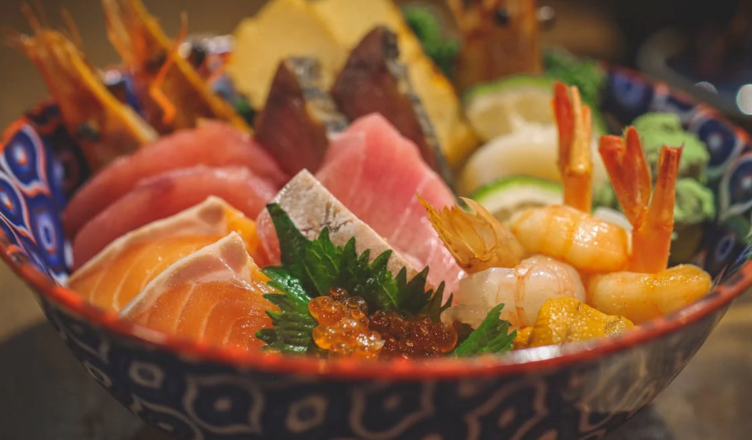
Due to sushi bars and izakaya’s, many diners have tried sushi and sashimi. These restaurants have introduced customers to raw fish’s exquisite flavors and textures. This has made Southern seafood’s strong and peppery tastes more accessible. Meanwhile, seafood boils and Cajun-inspired meals are becoming more popular outside the Gulf Coast.
Additionally, seafood restaurants are increasingly offering global dishes in addition to regional specialties. Mediterranean seafood, such as grilled octopus and paella, represent the Old World. Thai and Vietnamese seafood dishes, however, provide Southeast Asian tastes. Seafood restaurants are popular with chefs who want to try new foods because they provide something for every taste.
Dining Experience and Atmosphere
Seafood restaurants often provide more than just meals. Many restaurants in attractive coastal neighborhoods provide ocean or waterfront views. This connection to the water improves the eating experience while also adding authenticity and location.
Seafood restaurants also include maritime decor, including fishing nets, marine relics, and ocean-inspired color palettes. This great attention to detail creates a vivid beach environment, even in a city surrounded by coastline.
Moreover, seafood restaurants also emphasize local, fresh ingredients. This ensures that their meals are of the highest quality and taste, while also supporting the local economy. Some restaurants let diners see the catch of the day or pick live seafood from aquariums, making the meal more involved.
Challenges and Future Prospects
Despite their profitability and popularity, seafood restaurants face several challenges. Seafood price changes, supply chain disruptions, and climate change’s influence on marine life can all pose significant issues. Sustainable methods need ongoing dedication and effort.
Seafood eateries, on the other hand, have good options. The development of sustainable fishing and aquaculture may solve certain supply difficulties. As customers learn more about seafood’s benefits and sustainability, demand for responsibly sourced seafood may rise.
Conclusion
Health trends, sustainability efforts, culinary innovation, and unique dining experiences are driving seafood restaurant growth. As long as they adapt and improve, these restaurants will continue to attract customers seeking a connection to the ocean and wonderful food. Seafood is irresistible, whether one is eating fish and chips by the beach or at a gourmet seafood feast in the city.
For a deeper dive into the best seafood dining experiences, particularly if you’re planning a visit to Indonesia, you can explore the best seafood restaurants in Batam Island. This guide showcases some of the finest establishments offering fresh and delectable seafood in a vibrant island setting.