
Kuala Lumpur, Malaysia’s vibrant capital, captivates visitors with its skyline, cultural landmarks, and bustling streets—but its food scene is truly unforgettable. From street hawker stalls to fine dining restaurants, the city offers a culinary adventure that reflects its multicultural heritage and dynamic spirit, making food exploration an essential part of any visit.
Kuala Lumpur dining has something for everyone, from lively night markets and beloved street food to sophisticated rooftop restaurants. Influences from Malay, Chinese, Indian, and other cultures create a rich diversity of flavors, textures, and culinary traditions, making the city a must-visit destination for food-loving tourists.
1. A Multicultural Culinary Landscape
A key feature that sets Kuala Lumpur dining apart is its diverse, multicultural culinary influences. Malay, Chinese, and Indian communities have long coexisted, blending their culinary traditions into unique dishes. Whether it’s Nasi Lemak, Chinese Char Kway Teow and dim sum, or Indian curries with roti canai, the city presents a diverse palette of tastes and textures.
This diversity allows tourists to explore a wide range of tastes in one city. Whether at street-side stalls or upscale restaurants, every meal reflects cultural fusion and creativity, giving visitors a deeper understanding of Kuala Lumpur’s vibrant culinary and cultural tapestry.
2. Street Food Adventures
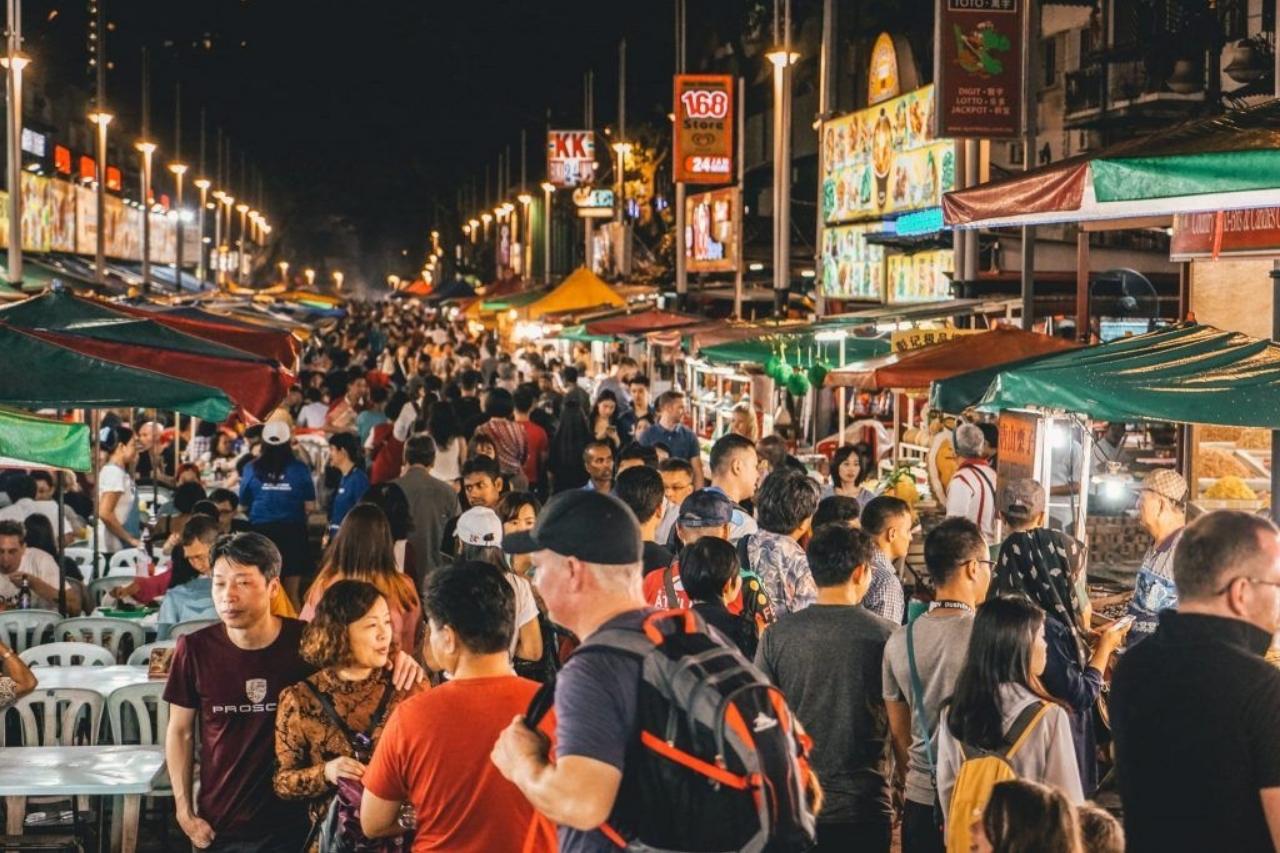
Famous for its lively street food culture, Kuala Lumpur offers affordable and delicious eats at every turn. Exploring night markets, or pasar malam, lets tourists savor satay, laksa, and kuih while experiencing the city’s vibrant local life.
Popular areas such as Jalan Alor in Bukit Bintang, Kampung Baru, and Petaling Street are must-visit spots for street food lovers. Visitors can watch dishes being freshly prepared, interact with vendors, and learn about the ingredients and techniques, making street dining in Kuala Lumpur a truly memorable experience.
3. Iconic Dishes You Can’t Miss
No visit to Kuala Lumpur is complete without trying certain iconic dishes. Beyond Nasi Lemak, tourists should explore:
- Hokkien Mee: Thick yellow noodles stir-fried with dark soy sauce, pork, and seafood.
- Roti Canai: Flaky, buttery flatbread often served with curry or dhal.
- Char Kway Teow: Flat rice noodles stir-fried with prawns, Chinese sausage, eggs, and bean sprouts.
- Bak Kut Teh: Pork ribs simmered in a flavorful herbal broth, often served with rice.
- Cendol: A refreshing dessert with coconut milk, green rice flour jelly, palm sugar syrup, and shaved ice.
Sampling these dishes gives tourists a direct taste of Kuala Lumpur’s culinary identity, while also introducing them to the city’s diverse cultural influences.
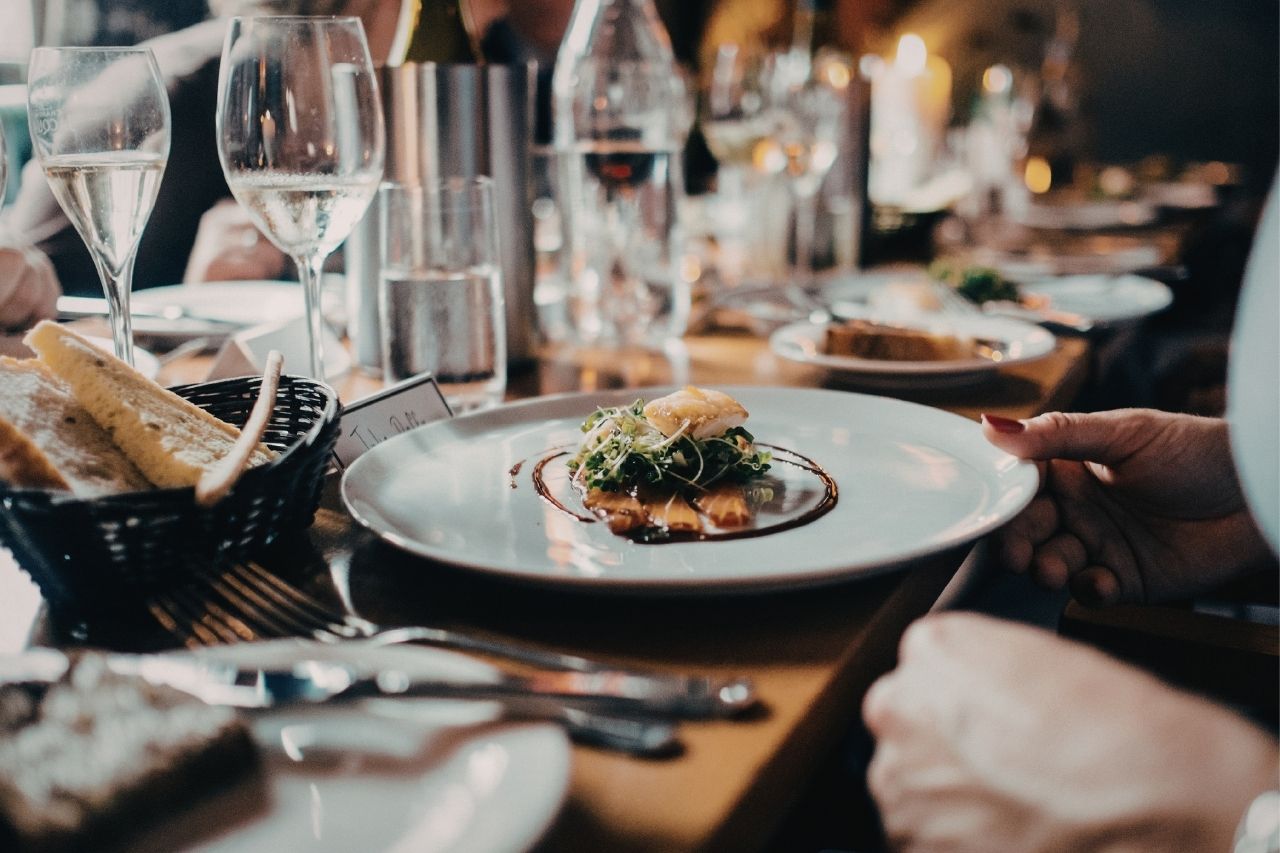
4. Fine Dining and Modern Cuisine
Kuala Lumpur isn’t just about street food; it also boasts a thriving fine dining scene. High-end dining in Kuala Lumpur features globally trained chefs offering a range of options, from modern Malaysian fusion to worldwide culinary styles.
Tourists can enjoy multi-course meals in stylish restaurants, rooftop bars with panoramic city views, and even exclusive omakase experiences for Japanese cuisine enthusiasts. Fine dining in Kuala Lumpur is not only about exquisite flavors—but it’s also about presentation, ambiance, and a curated experience that celebrates both tradition and innovation.
5. Unique Dining Experiences
One of the reasons Kuala Lumpur dining stands out is the variety of unique experiences available. Tourists can choose from:
- Themed Cafés: Playful, Instagram-worthy cafés offering both food and immersive décor.
- Night Markets: Outdoor markets where food, shopping, and local culture come together.
- Riverside Dining: Restaurants along the Klang River offering scenic views and relaxed atmospheres.
- Food Hopping Tours: Guided tours that take visitors through multiple eateries in a single evening, sampling signature dishes from different cuisines.
These experiences allow tourists to engage with the city beyond simply eating—they become part of Kuala Lumpur’s rhythm, energy, and local culture.
6. Affordable Yet Diverse Options
Another attractive feature of dining in Kuala Lumpur is its affordability.
While fine dining options exist, tourists can enjoy world-class flavors at very reasonable prices. Street stalls, hawker centers, and casual eateries often serve dishes that rival or exceed the taste of expensive restaurants, making it possible for travelers on any budget to enjoy authentic Malaysian cuisine.
This balance of affordability and quality means tourists can explore a wide variety of dishes without worrying about overspending, while also experiencing the social and cultural aspects of Malaysian dining.
7. Fusion and Innovation
Kuala Lumpur’s culinary scene is constantly evolving, with chefs experimenting with fusion cuisines that blend local ingredients with international techniques. For example, classic Malaysian flavors such as rendang or sambal are often incorporated into modern European or Japanese-inspired dishes.
Visitors can experience this culinary creativity firsthand in restaurants that innovate while honoring traditional flavors. Sampling fusion dishes offers a unique perspective on how Kuala Lumpur honors tradition while embracing global influences.
8. Cultural Connection Through Food
Dining in Kuala Lumpur is more than just a culinary activity—it’s a cultural experience. Food is deeply intertwined with local customs, festivals, and daily life. Visitors eating together with locals, sampling dishes during festivities like Hari Raya, Chinese New Year, or Deepavali, gain insight into Malaysia’s cultural diversity.
Tourists not only enjoy the taste of the dishes but also participate in a cultural exchange that highlights hospitality, community, and tradition. Sharing meals offers tourists a meaningful way to connect with Kuala Lumpur and its people.
9. Accessibility and Convenience
Kuala Lumpur’s dining options are accessible and convenient for tourists. From MRT-accessible night markets to hotel-based fine dining, there’s something for every traveler. Food delivery services and guided tours also make it easy to explore multiple culinary hotspots in a single day, whether in the city center or in suburban areas.
Additionally, many restaurants offer multilingual menus, and staff are often accustomed to serving international visitors. This accessibility ensures tourists can confidently navigate the city’s dining scene without feeling overwhelmed.
10. Memorable Experiences Beyond Taste
Ultimately, what makes Kuala Lumpur’s dining a must-experience for tourists isn’t just the flavors—it’s the complete experience. The city offers:
- Vibrant Atmospheres: Bustling streets, lively night markets, and rooftop dining with stunning views.
- Culinary Stories: Each dish carries a story of heritage, culture, and innovation.
- Interactive Experiences: Watching street food being prepared, engaging with chefs, and joining food tours.
- Shared Moments: Dining becomes a social activity, whether with locals, fellow travelers, or family.
These aspects combine to create memories that go beyond taste, making dining in Kuala Lumpur a highlight of any trip.
Conclusion
Kuala Lumpur is a city that delights the senses, and its dining scene is a reflection of its rich cultural tapestry. From street food stalls offering affordable, authentic flavors to fine dining restaurants providing curated, multi-course experiences, the city caters to every type of traveler. By exploring Kuala Lumpur’s culinary scene, tourists can immerse themselves in local culture, experience a range of flavors, and savor lasting food memories.
For anyone visiting Malaysia, sampling the city’s food is not optional—it’s essential. Whether you’re savoring traditional dishes, trying modern fusion creations, or exploring bustling night markets, Kuala Lumpur dining offers a journey into the heart of the city that will linger long after your trip ends.