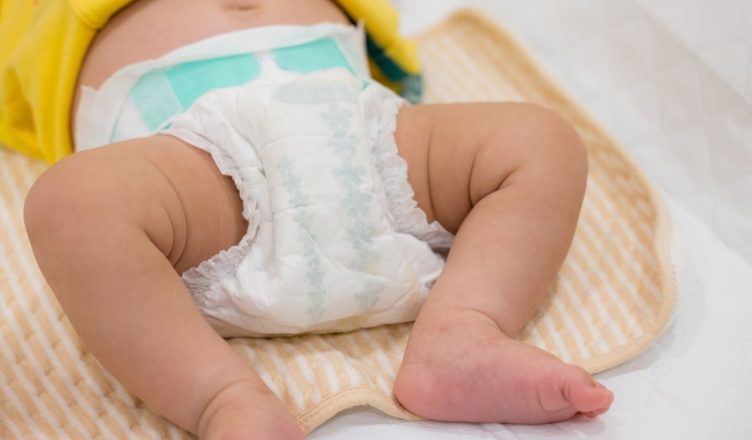
Choosing the right diapers for a newborn baby is one of the most important decisions new parents make. Newborns have extremely delicate skin and require frequent diaper changes throughout the day and night. A good diaper must keep the baby comfortable, dry, and protected from irritation while also being convenient for parents to use. The wide variety of diaper brands and types available today can make it difficult for parents to decide which one is the best choice.
Understanding the key features of a high-quality diaper helps parents make a more confident and informed decision. From softness and absorbency to fit and breathability, every feature plays an important role in keeping babies happy and healthy. Below are ten important factors parents should consider when choosing diapers for newborn babies.
1. Soft and Gentle Material
Newborn skin is extremely sensitive and can easily become irritated by rough fabrics or harsh materials. A diaper made with ultra-soft and skin-friendly materials helps prevent discomfort and redness.
When evaluating diaper softness, parents should consider:
- Cotton-like inner layers that feel gentle against the baby’s skin
- Smooth surfaces that reduce friction
- Hypoallergenic materials that minimise allergic reactions
Soft diapers help newborns stay comfortable throughout the day and night, especially since they spend most of their time lying down.
2. High Absorbency
Newborn babies urinate frequently, sometimes up to 10–12 times per day. A diaper with strong absorbency ensures that moisture is quickly locked away from the baby’s skin.
Good absorbency provides several benefits:
- Keeps the baby dry for longer periods
- Reduces the risk of diaper rash
- Prevents leaks and messes
Many high-quality diapers use advanced absorbent cores that can hold large amounts of liquid while remaining thin and lightweight.
3. Breathability
Breathable diapers promote airflow inside the diaper, helping maintain a cool and dry environment for the baby’s skin. Poor ventilation can trap heat and moisture, increasing the risk of diaper rash and skin irritation.
Parents should look for diapers that offer:
- Breathable outer layers
- Micro-pores that allow airflow
- Materials designed to release heat and moisture
Breathability is especially important in warm and humid climates, where babies may sweat more easily.
4. Secure and Comfortable Fit
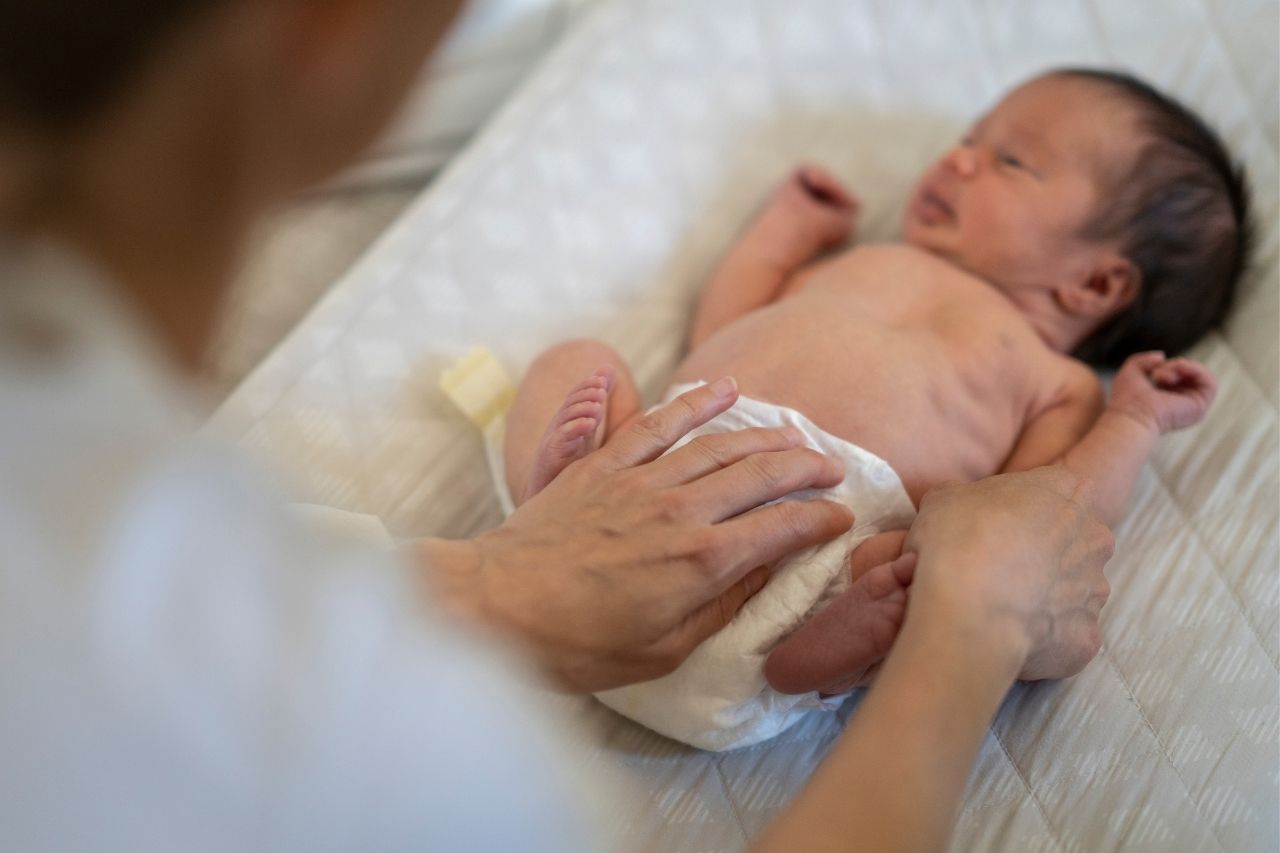
A proper fit ensures that the diaper stays in place while preventing leaks. Diapers that are too tight may cause discomfort, while loose diapers can result in leakage.
Important features for a comfortable fit include:
- Stretchable waistband that adapts to the baby’s body
- Flexible leg cuffs that prevent leaks
- Adjustable fasteners for a snug fit
A well-fitted diaper moves naturally with the baby, allowing comfortable movement while preventing tightness or pressure marks on delicate skin.
5. Wetness Indicator
A wetness indicator is a helpful feature that changes colour when the diaper becomes wet. This makes it easier for parents to know when it is time for a diaper change.
Benefits of wetness indicators include:
- Reducing unnecessary diaper checks
- Helping new parents learn their baby’s diaper habits
- Ensuring timely diaper changes
This feature is particularly useful during the newborn stage when parents are still adjusting to their baby’s routine.
6. Leak Protection
Leak protection is essential to keep both the baby and the surrounding areas clean and dry. Newborn diapers should be designed with features that minimise the chances of leaks.
Look for diapers that include:
- Double leak guards around the legs
- Absorbent core technology that distributes moisture evenly
- Elastic barriers that prevent spills
Reliable leak protection helps parents feel more confident, especially during nighttime use or when travelling with their baby.
7. Umbilical Cord Cut-Out
Newborn babies still have a healing umbilical cord stump during the first few weeks of life. Some diapers are specially designed with a cut-out section in the waistband to avoid rubbing against the cord.
Advantages of this feature include:
- Preventing irritation around the belly button
- Allowing the cord stump to heal naturally
- Providing extra comfort for the newborn
If a diaper does not have a cut-out, parents can fold the waistband down to keep it away from the cord area.
8. Skin-Friendly and Chemical-Free Design
Many parents prefer diapers that are free from harmful chemicals and fragrances. Babies have delicate skin that may react to certain ingredients used in diaper production.
Parents should consider diapers that are:
- Free from chlorine bleaching
- Fragrance-free and lotion-free
- Dermatologically tested for safety
Choosing skin-friendly diapers can help minimise the risk of rashes, allergies, and skin sensitivity.

9. Flexible and Lightweight Design
Newborn babies may not move much during the first few weeks, but they still need diapers that allow natural movement and comfort.
Lightweight diapers offer several advantages:
- Prevent bulkiness under clothing
- Allow easier movement for the baby
- Improve overall comfort throughout the day
Soft and flexible materials enable diapers to contour naturally to the baby’s body, allowing free and comfortable movement.
10. Trusted Brand and Quality Assurance
Selecting diapers from a reputable brand helps provide parents with confidence in the product’s quality and safety. Established brands often conduct extensive research and testing to ensure their products meet safety and performance standards.
When choosing a diaper brand, parents should consider:
- Positive reviews from other parents
- Certifications or dermatological testing
- Consistent product quality and reliability
Trying small packs or free samples before committing to a large purchase can also help parents determine which diaper works best for their baby.
Additional Tips for Choosing the Right Newborn Diaper
Besides the ten factors above, parents may also find the following tips helpful when selecting diapers:
- Start with small packs to test comfort and fit before buying in bulk
- Check sizing carefully, as newborn sizes vary slightly between brands
- Monitor the baby’s skin for signs of redness or irritation
- Change diapers frequently to maintain hygiene and prevent rashes
Every baby is different, so the best diaper is the one that keeps your baby dry, comfortable, and free from skin problems.
Conclusion
Selecting the right diaper for a newborn baby involves more than just choosing a well-known brand. Parents should carefully consider important features such as softness, absorbency, breathability, and proper fit. These elements work together to ensure that the baby remains comfortable while reducing the risk of leaks and skin irritation.
High-quality newborn diapers also include helpful features such as wetness indicators, umbilical cord cut-outs, and gentle materials that protect delicate skin. By understanding what to look for, parents can make informed decisions and provide the best care for their newborn during the early stages of life.
Ultimately, the right diaper helps both babies and parents enjoy greater comfort, convenience, and peace of mind during the exciting journey of early parenthood.